10 Eco-Friendly Sustainable Living Ideas for Pet Owners
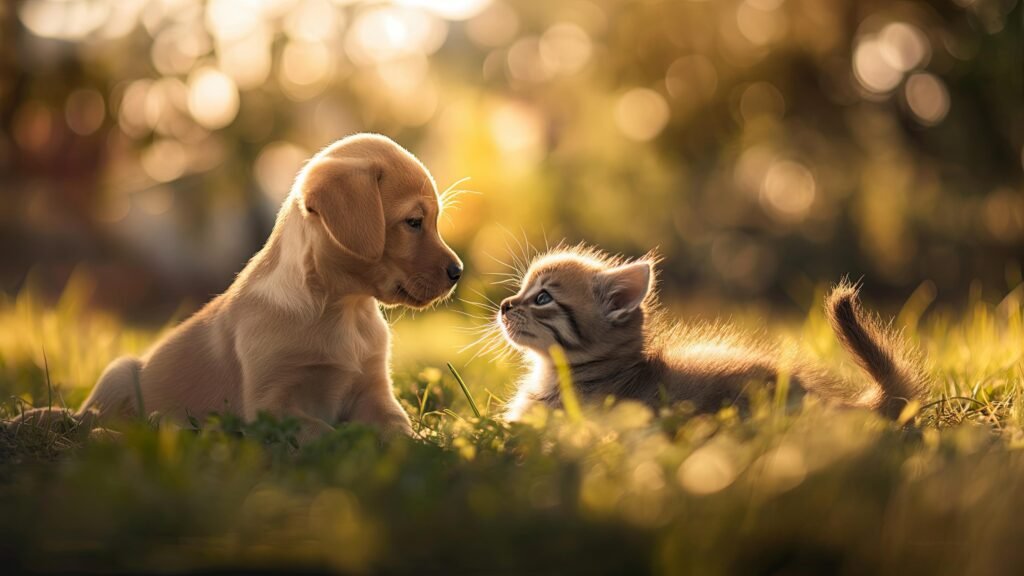
Happy pets, a greener planet, and a little less waste.
Being a pet parent brings endless joy, unconditional love and a surprisingly large collection of plastic toys, food packaging and poop bags.
Our furry companions may leave a bigger environmental footprint than we realise.
Or should we say, pawprint?
The good news is that sustainable pet ownership doesn’t require expensive lifestyle changes or a completely plastic-free home. Small, thoughtful decisions can help reduce waste, save money and protect the environment without compromising your pet’s happiness.
Here are 10 simple ways to become a more environmentally conscious pet owner.
1. Choose Durable, Eco-Friendly Pet Toys

If your dog can destroy a brand-new toy in approximately 47 seconds, you already understand the problem.
Instead of frequently replacing inexpensive toys, invest in fewer, more durable options suited to your pet’s size and chewing habits.
Look for:
- Durable natural rubber toys.
- Responsibly sourced materials.
- Washable and reusable designs.
- Minimal packaging.
Rotate existing toys to keep your pet entertained without constantly buying new ones. Always supervise play and replace damaged toys that could become safety hazards.
Green Paw Tip: The most sustainable toy is often the perfectly usable one your pet already owns.
2. Get Creative With DIY Pet Enrichment

Have you ever bought your cat an expensive toy, only to discover that it prefers the cardboard box?
Pets don’t always need fancy entertainment.
Try these simple activities using items you already have at home:
- Clean cardboard boxes for supervised cat exploration.
- Hide-and-seek games using treats.
- Supervised scent games with old, clean towels.
- Simple obstacle courses using safe household items.
Avoid sharp edges, staples, loose strings and small objects that could be swallowed.
DIY enrichment can provide mental stimulation while reducing unnecessary purchases.
Green Paw Tip: Before visiting the pet shop, see what safe entertainment you can create at home.
3. Make More Sustainable Pet Food Choices
Pet food production, transportation and packaging all contribute to environmental impact.
When choosing pet food, consider manufacturers that provide transparent information about ingredient sourcing, packaging and manufacturing practices.
You can also reduce waste by:
- Measuring food portions accurately.
- Buying quantities your pet can finish before expiry.
- Storing food correctly to maintain freshness.
- Avoiding unnecessary individually wrapped treats.
However, sustainability should never come at the expense of proper nutrition. Always choose nutritionally appropriate food and consult your veterinarian before making significant dietary changes.
Green Paw Tip: Preventing food waste is good for your wallet, your pet and the planet.
4. Dispose of Pet Waste Responsibly
Let’s talk about the least glamorous part of pet ownership.
Poop.
Consider waste bags made from recycled materials or products with credible environmental certifications and minimal packaging.
However, don’t assume that every bag labelled biodegradable or compostable is automatically better for the environment.
Compostable bags require suitable conditions to break down, and many composting facilities do not accept pet waste.
Always follow local disposal guidelines and never leave bagged pet waste outdoors.
Green Paw Tip: Keep a reusable poop bag dispenser attached to your dog’s leash. Your dog will inevitably choose the most inconvenient moment to surprise you.
For more information, explore our Complete Guide to Eco-Friendly Pet Waste Disposal.
5. Switch to Washable and Reusable Pet Accessories
Reusable pet products can reduce household waste and potentially save money over time.
Here are some simple swaps:
| Instead of | Consider |
|---|---|
| Disposable puppy pads | Washable training pads |
| Disposable cleaning wipes | Washable cleaning cloths |
| Frequently replaced bedding | Beds with removable covers |
| Disposable feeding containers | Stainless steel or ceramic bowls |
| Disposable grooming wipes | Reusable grooming towels |
Remember that reusable products also require water and energy for cleaning. Their benefits depend on how long and how efficiently you use them.
Green Paw Tip: Choose products that are easy to maintain and designed to last.
6. Create an Eco-Friendly Pet Grooming Routine
Your pet doesn’t need an entire bathroom cabinet filled with beauty products.
Although your fluffy little diva might disagree.
Keep grooming simple by choosing:
- Pet-safe shampoos with clearly disclosed ingredients.
- Refillable packaging where available.
- Durable brushes and combs.
- Washable grooming towels.
Regular brushing can help manage dirt, shedding and tangles. Bathe your pet according to its individual grooming needs rather than unnecessarily frequent schedules.
Remember that natural ingredients are not automatically safe for animals. Some essential oils and homemade grooming mixtures can be harmful.
Green Paw Tip: Finish using your existing safe grooming products before purchasing new alternatives.
7. Walk More and Drive Less
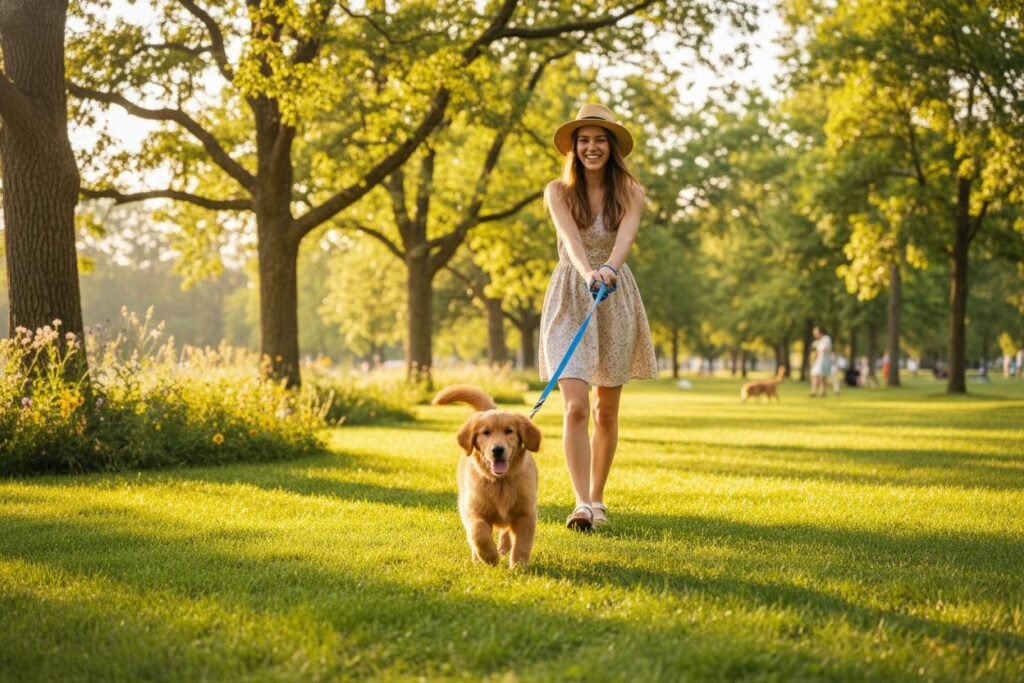
Here’s one sustainable lifestyle change your dog will enthusiastically approve of.
More walks!
Instead of driving to every recreational destination, explore nearby parks and neighbourhood walking routes whenever practical.
Walking can provide exercise, mental stimulation and valuable bonding time while reducing fuel consumption when it replaces car journeys.
During hot weather, choose cooler hours, avoid hot pavement and bring drinking water when needed.
Green Paw Tip: To your dog, discovering a new lamppost can be just as exciting as an expensive weekend getaway.
8. Buy Less and Choose Quality Over Quantity
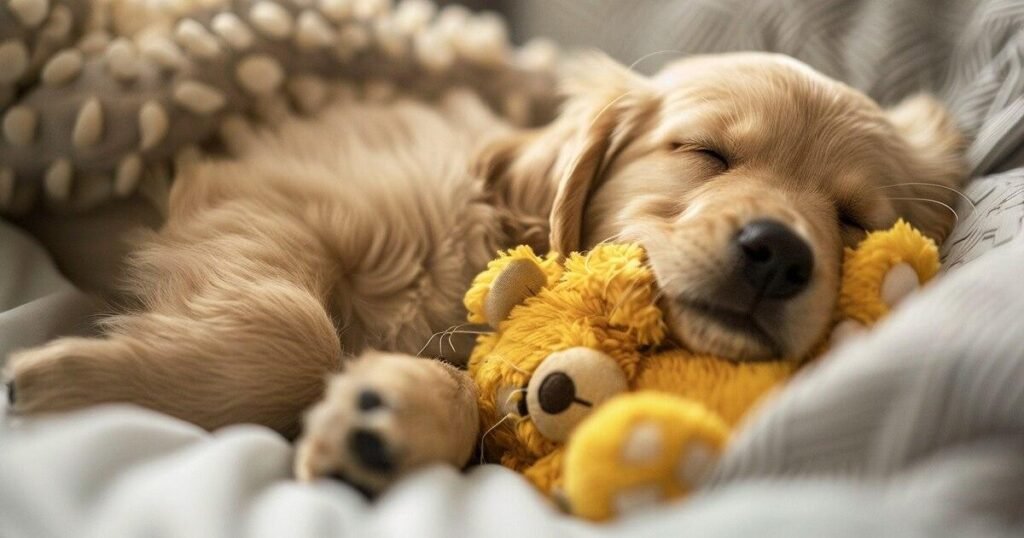
Pet shops are dangerous places for people who cannot resist cute things.
One minute you’re buying dog food. The next, your dog apparently needs a dinosaur costume and three new blankets.
Before purchasing another accessory, ask yourself:
- Does my pet genuinely need this?
- Do I already own something similar?
- Is it durable and washable?
- Will my pet actually use it?
- Is the packaging excessive?
Consider supporting responsible local businesses and manufacturers that provide clear information about their products.
Green Paw Tip: Sustainable living isn’t always about buying greener products. Sometimes it’s simply about buying less.
9. Donate, Repair and Reuse Pet Supplies
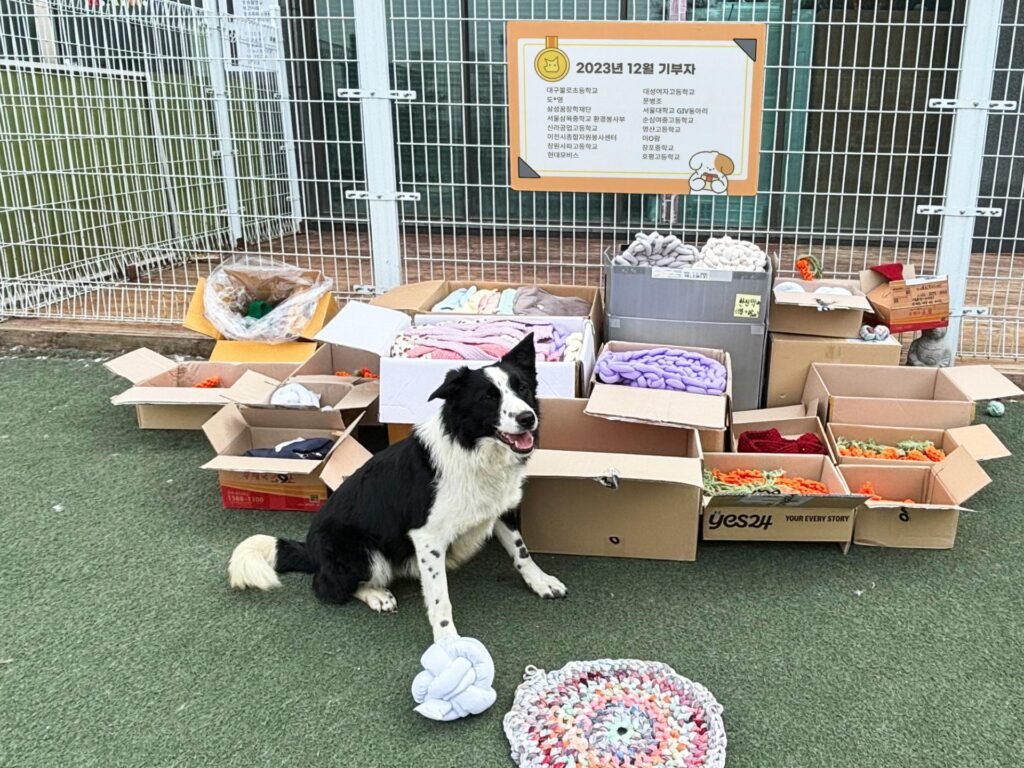
Pets grow, preferences change and sometimes that expensive designer bed simply doesn’t meet your cat’s mysterious interior design standards.
Instead of throwing away unwanted accessories, consider donating suitable items to animal shelters or rescue organisations.
These may include:
- Clean blankets and towels.
- Pet carriers and crates.
- Feeding bowls.
- Safe, gently used accessories.
- Unopened, unexpired pet food.
Check with the organisation before donating, as acceptance policies vary.
Repair minor damage where safe, but never reuse equipment that could compromise your pet’s safety.
Green Paw Tip: Something your pet no longer needs could make another animal very happy.
10. Reduce Pet Food and Product Packaging Waste
Pet food bags, treat pouches and plastic containers can accumulate surprisingly quickly.
Unfortunately, some pet food packaging contains multiple layers of materials that are difficult to recycle.
To reduce packaging waste:
- Choose recyclable packaging where accepted locally.
- Explore manufacturer packaging return programmes.
- Buy appropriate larger quantities to reduce packaging per serving.
- Avoid unnecessarily individually wrapped products.
Store pet food according to the manufacturer’s instructions to maintain freshness and safety.
Buying in bulk only makes sense if the food can be consumed before it spoils.
Green Paw Tip: Check your local recycling guidelines rather than assuming every package with a recycling symbol can be recycled.
Your Sustainable Pet Living Checklist
You don’t need to change everything overnight. Start with these simple habits:
- Choose durable, safe and reusable pet accessories.
- Reduce unnecessary purchases and packaging.
- Prevent pet food waste.
- Dispose of pet waste responsibly.
- Walk more whenever practical.
- Donate suitable unwanted pet supplies.
Small changes, repeated consistently, can make a meaningful difference.
Frequently Asked Questions
Is sustainable pet ownership more expensive?
Not necessarily. Although some durable products cost more initially, buying fewer items, reusing accessories and reducing food waste can help lower long-term expenses.
Are biodegradable dog poop bags environmentally friendly?
Their environmental benefits depend on the materials and disposal conditions. Always check certifications and local waste disposal requirements rather than relying solely on marketing claims.
Are natural pet products always safer?
No. Natural ingredients can still cause irritation or toxicity. Choose products specifically formulated for your pet’s species and consult your veterinarian when uncertain.
What is the easiest way to become an eco-friendly pet owner?
Start by using what you already own, buying less, reducing food waste and disposing of pet waste responsibly. You don’t need to purchase an entirely new collection of sustainable products.
Final Thoughts: Small Paws, Big Impact
Sustainable pet ownership isn’t about perfection.
It’s about making thoughtful choices that benefit both our furry companions and the environment.
Start small. Buy less. Reuse more. Choose quality over quantity. And always prioritise your pet’s health, safety and happiness.
After all, our pets remind us that the best things in life are often the simplest.
A walk in the park. A favourite toy. A comfortable place to sleep. And a human who loves them unconditionally.
Happy Pets. Greener Planet. One Paw at a Time.
This article is intended for general educational purposes. Consult your veterinarian regarding your pet’s individual nutrition, health and care requirements.